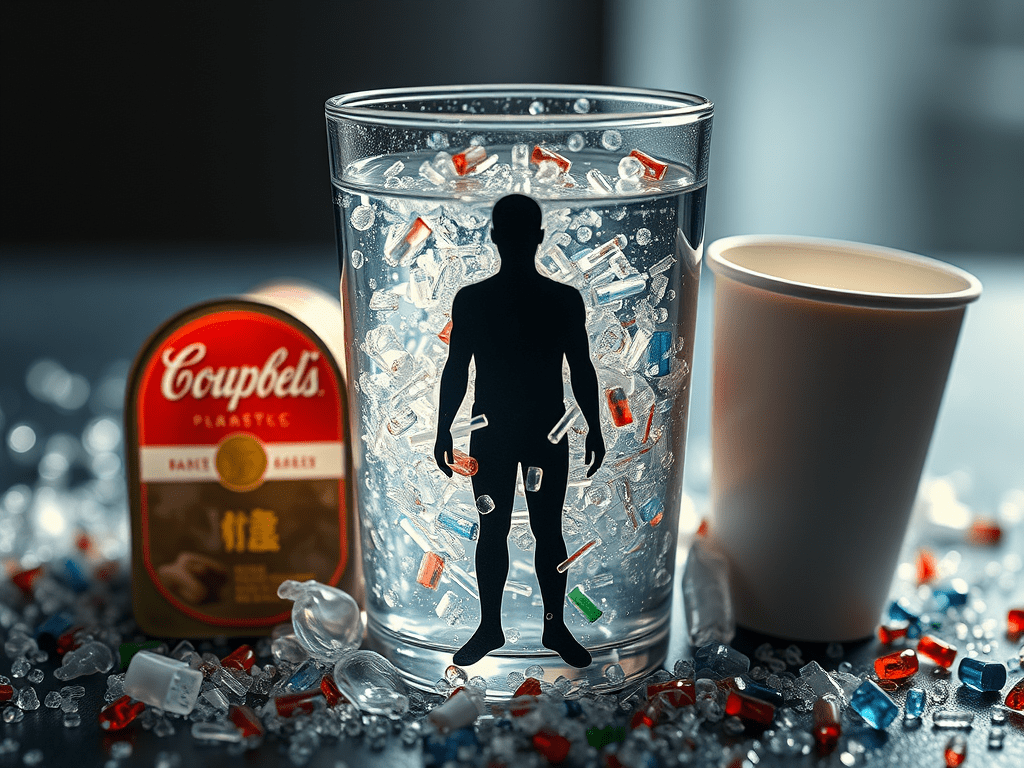
Microplastics are everywhere, from the air we breathe to the water we drink. Andrew Huberman’s podcast episode on microplastics discusses the sources, health implications, and ways to limit exposure to these pervasive particles.
What are Microplastics?
Microplastics are tiny pieces of plastic ranging from one micron (1/1000th of a millimeter) to 5 millimeters in diameter. Nanoplastics are even smaller, less than one micron in diameter. These particles are found virtually everywhere…
•Air
•Food
•Soup can
•Water
•Paper cups
•Human tissues
Are Microplastics Dangerous?
Microplastics can disrupt cellular and organ health and may lead to disease. Studies have found microplastics lodged in various tissues, including the brain, testes, and follicles. While the human body is good at removing foreign invaders, microplastics can persist in tissues for extended periods.
How to Limit Exposure to Microplastics
It’s nearly impossible to avoid microplastics entirely. However, there are ways to limit exposure and bioaccumulation.
•Avoid plastic water bottles: Bottled water contains a high concentration of microplastics, ranging from 110,000 to 400,000 particles per liter5.
•Use a reverse osmosis filter: These filters can remove microplastics from tap water but may also remove key minerals.
•Avoid sea salt: Use pink Himalayan salt or salt from non-marine sources.
•Limit canned soup consumption: Canned soups often contain bisphenol A (BPA), an endocrine disruptor.
•Avoid microwaving plastic containers: Microwaving plastics can release microplastics, nanoplastics, BPAs, BPSs, and phthalates into food.
•Use glass, stainless steel or ceramic mugs: Paper cups often contain plastic linings with BPA and BPS.
•Eat cruciferous vegetables: Broccoli and cauliflower contain sulphoraphane, which enhances phase 2 liver detoxification processes.
•Consume dietary fiber: Fiber can bind to lipophilic molecules and help remove toxins.
•Sweat: Sweating may help remove endocrine disruptors attached to microplastics.
Concerns for Specific Populations
Pregnant women and young children should take extra precautions to limit their exposure to microplastics. Microplastics can cross the placental barrier and are found in the first stool of babies. The FDA has banned BPAs from sippy cups and food containers for young children due to concerns about endocrine disruption.
Potential Health Effects
•Irritable Bowel Syndrome (IBS): Higher levels of microplastics have been found in the stool samples of people with IBS.
•Reduced Testosterone Levels: Phthalate metabolites are associated with decreased testosterone levels in men, women, and children.
•Cardiovascular Disease: Polyethylene, a component of many plastics, has been detected in the cored artery plaques of patients.
•Reduced Sperm Count and Motility: Microplastics have been found in human testes and semen, correlated with reduced sperm counts and lower sperm motility.


 The Longevity Edit
Leave a comment