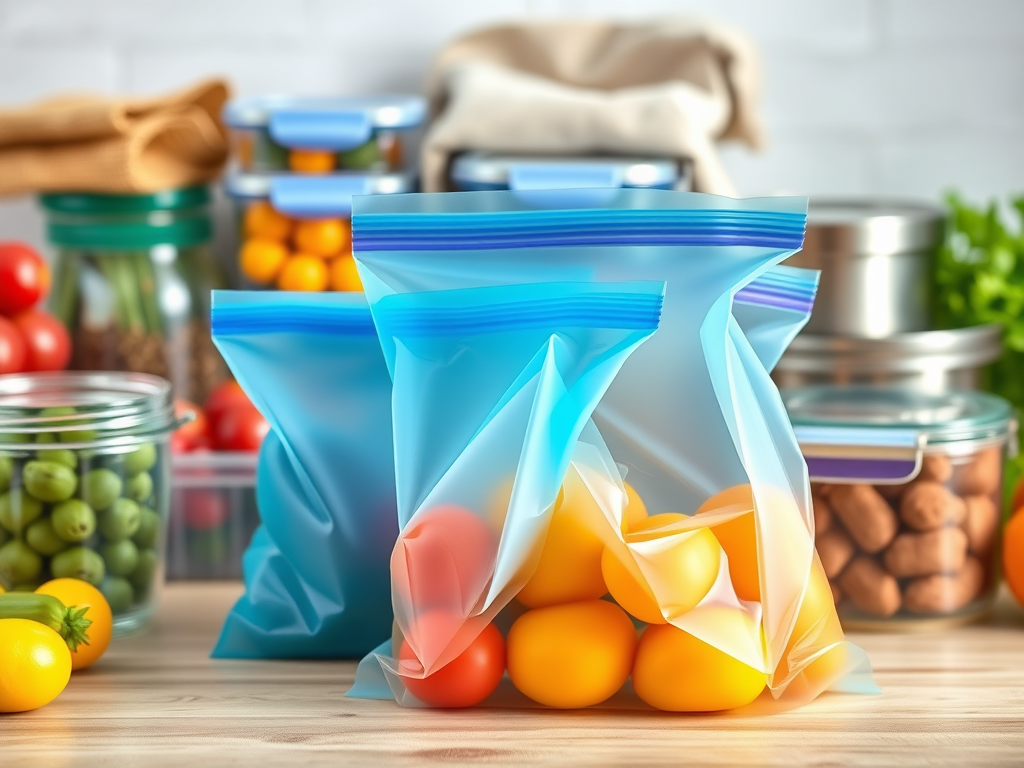
Plastic bags are bad—we get it. Enter silicone bags, marketed as the eco-friendly, reusable alternative. They claim to be durable, heat-resistant, and endlessly reusable. But are silicone bags really the perfect replacement, or are they just another overhyped product that makes consumers feel sustainable without solving the root problem?
The Case for Silicone Bags
Silicone is more durable than plastic, BPA-free, and resistant to extreme temperatures. Unlike plastic, it doesn’t break down into microplastics or leach harmful chemicals into food. A single silicone bag can replace hundreds of disposable plastic bags, making it an attractive solution for those looking to reduce waste.
The Hidden Downsides
Here’s where things get tricky. Silicone isn’t biodegradable, and while it lasts longer, it’s still a form of plastic—just in a different structure. Recycling silicone is complicated and rarely available, meaning that when it finally wears out, it ends up in landfills. Plus, not all silicone is created equal. Many lower-quality silicone bags contain fillers that can degrade faster and potentially release toxins when heated.
So, What’s the Best Alternative?
If sustainability is the goal, silicone bags are better than disposable plastic, but they’re not a perfect solution. Here are a few even better options:
- Glass containers: 100% recyclable, non-toxic, and lasts a lifetime.
- Beeswax wraps: A great alternative for wrapping food without plastic.
- Cloth storage bags: Washable and compostable, making them a low-impact choice.
- Stainless steel containers: Ultra-durable, fully recyclable, and doesn’t degrade over time.
The Bottom Line
Silicone bags aren’t the magic bullet they’re often marketed as. While they’re a step up from single-use plastics, they’re not a guilt-free solution. The real answer? Shift away from plastic-based materials altogether and prioritize reusable, recyclable, and biodegradable options. Otherwise, we’re just swapping one problem for another.



 The Longevity Edit
Leave a comment