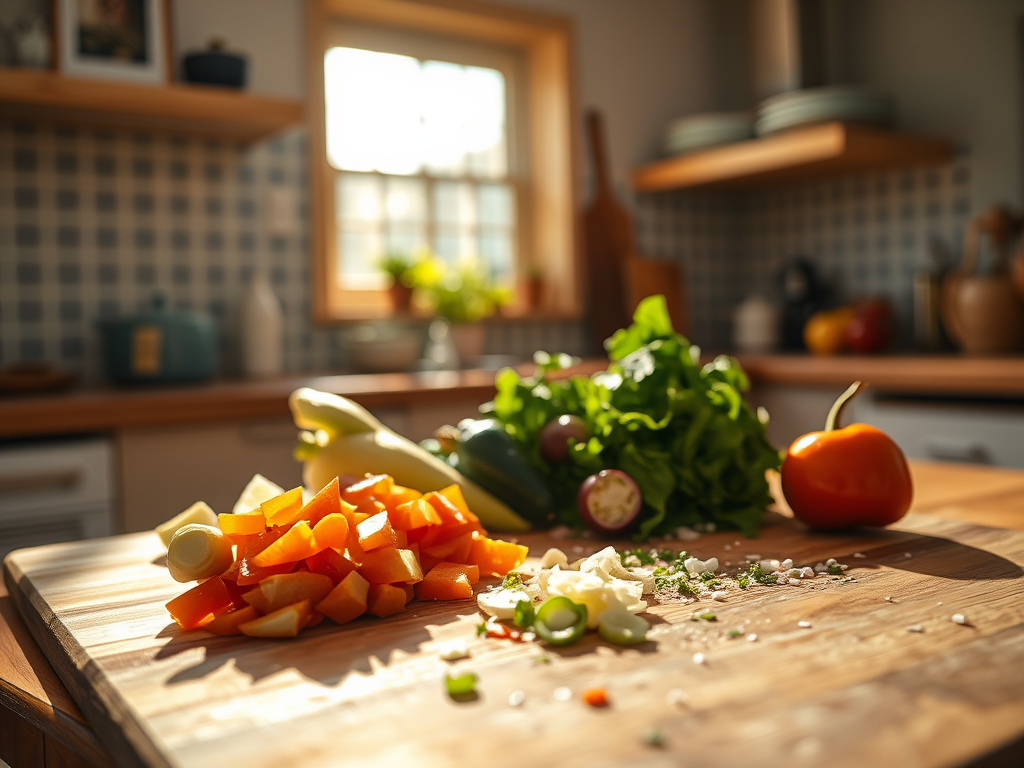
Your kitchen might be an unexpected source of microplastic contamination—starting with your cutting board. Plastic cutting boards shed microscopic plastic particles every time you slice, dice, or chop, adding an invisible dose of synthetic debris to your meals. But is the solution as simple as switching to wood or bamboo, or is there more to the story?
Plastic Cutting Boards: The Hidden Culprit
Most home cooks don’t think twice about their cutting boards, but studies show that plastic boards wear down over time, releasing microplastics directly into food. Scratches and knife marks trap bacteria, making them harder to clean. And while many claim plastic boards are more “sanitary” because they’re dishwasher-safe, heat exposure can accelerate plastic degradation, making the problem even worse.
Wood and Bamboo: The Safer Bet?
Wooden and bamboo cutting boards are often touted as the superior alternatives. They’re naturally antibacterial, don’t shed synthetic materials, and are biodegradable. Plus, high-quality wood boards—like maple or walnut—can last decades with proper care.
But here’s the catch: Not all wood cutting boards are created equal. Low-quality bamboo boards are often glued together with formaldehyde-based adhesives, which could leach toxins over time. Cheap, heavily treated wood boards may contain chemicals that defeat their supposed sustainability.
The Best Cutting Board for a Microplastic-Free Kitchen
If you want to eliminate plastic contamination while keeping your kitchen safe, here’s what to look for:
- End-grain or edge-grain hardwood (like maple, walnut, or cherry): Durable, self-healing, and naturally resistant to bacteria.
- Untreated bamboo (with no synthetic adhesives): A solid option if properly sourced.
- Glass or stainless steel: Great for avoiding microplastics, though tough on knives.


 The Longevity Edit
Leave a comment