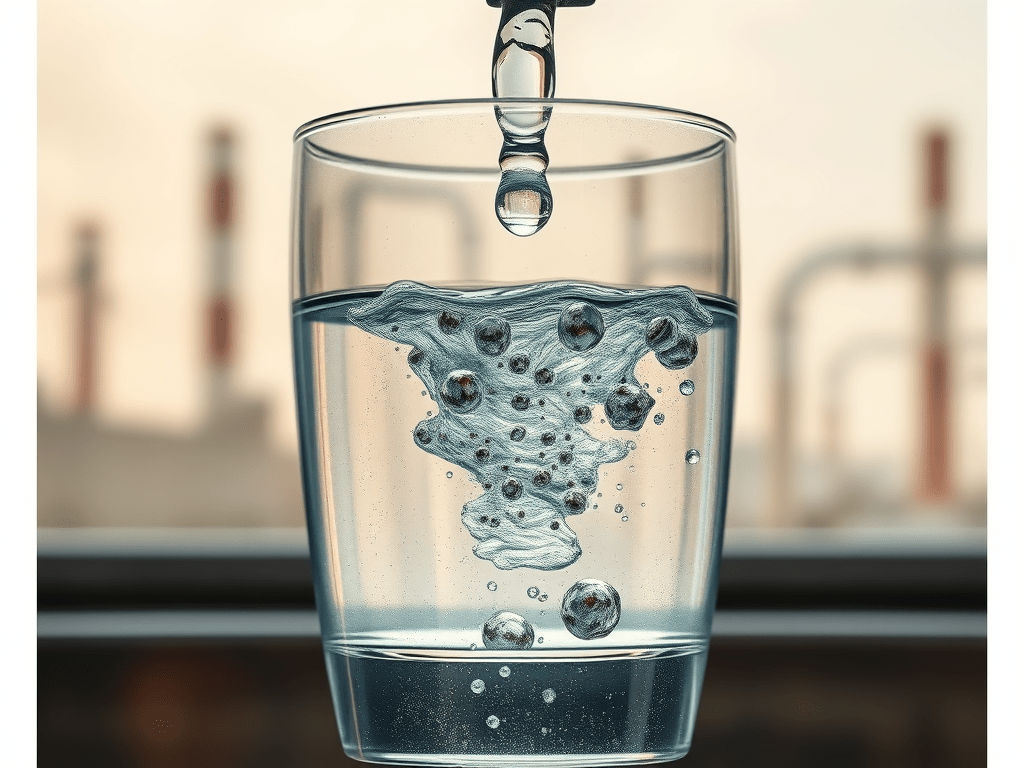
You turn on the faucet, fill up a glass, and take a sip—assuming it’s safe. But what if your tap water is dirtier than you think? Microplastics, lead, pharmaceutical residues, and even trace amounts of pesticides are lurking in tap water around the world. The question isn’t whether your water is contaminated—it’s how much contamination is considered “acceptable” by regulators.
What’s Really in Your Tap Water?
Even in developed countries, tap water isn’t as clean as it should be. Studies have found:
- Microplastics – Found in over 83% of global tap water, coming from plastic pipes, bottled water, and industrial pollution.
- Heavy Metals – Lead, arsenic, and mercury can leach from old pipes, even in cities with supposedly safe water.
- Pharmaceuticals & Hormones – Traces of antibiotics, antidepressants, and birth control chemicals have been detected in drinking water.
- “Forever Chemicals” (PFAS) – Found in everything from non-stick pans to food packaging, these chemicals never break down and have been linked to cancer and hormone disruption.
Regulatory Loopholes: Is “Safe” Water Really Safe?
Governments set legal limits for contaminants, but many of these limits are outdated or politically influenced. Just because a substance is present in “low” amounts doesn’t mean it’s safe—after all, lead exposure is dangerous at any level. Yet, millions still drink water with “acceptable” amounts of lead and other toxins every day.


 The Longevity Edit
Leave a comment