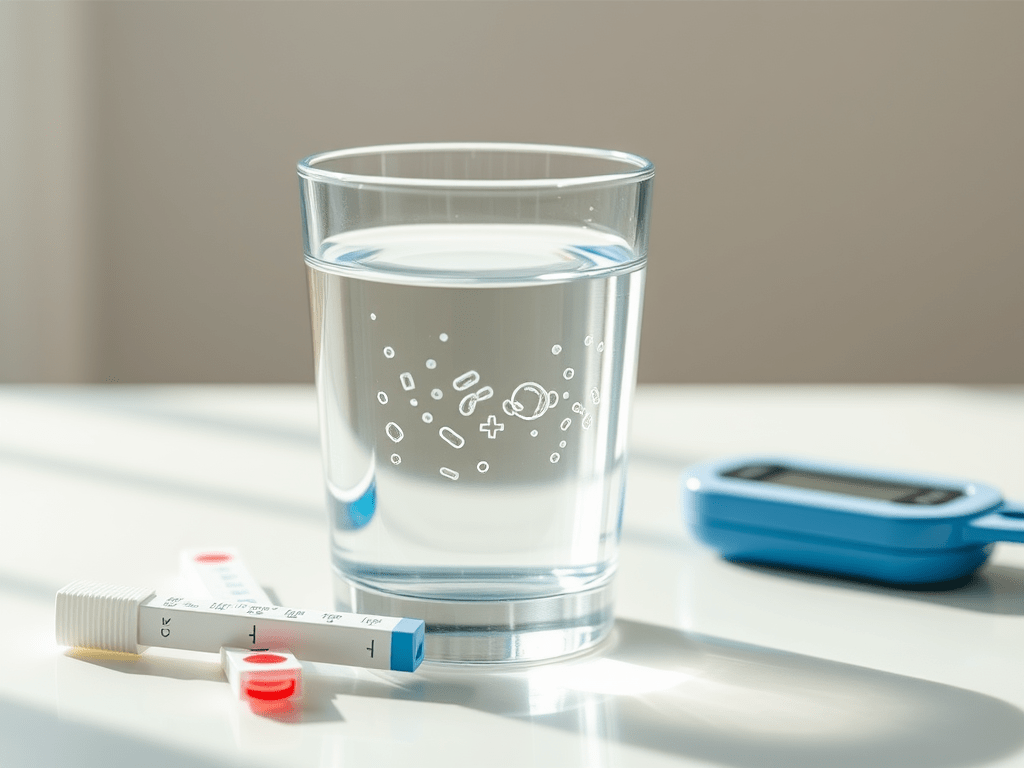
Think your tap water is safe? Think again. Studies show that even “clean” drinking water contains contaminants like microplastics, lead, chlorine, and pharmaceutical residues. The worst part? Most of us have no idea what we’re actually drinking. Here’s how to test your water quality at home—and why you might not like what you find.
Easy Ways to Test Your Water at Home
If you’re ready to face the truth about your tap water, here’s how to do it:
- DIY Test Strips – Cheap and easy to use, these strips detect basic contaminants like chlorine, nitrates, and bacteria, but won’t show everything lurking in your water.
- TDS Meters – Measures Total Dissolved Solids (TDS), which can indicate contamination, but doesn’t tell you what is in your water.
- Home Water Testing Kits – More advanced kits test for lead, heavy metals, pesticides, and more.
- Send It to a Lab – If you want the full picture, professional lab testing reveals everything from microplastics to pharmaceutical residues. But here’s the catch—many labs won’t report findings that exceed “acceptable” limits.
The Hidden Truth: Is “Safe” Water Really Safe?
Just because your water meets legal standards doesn’t mean it’s actually safe. The U.S. EPA allows small amounts of contaminants, including arsenic, lead, and PFAS (“forever chemicals”), in public drinking water. What’s “acceptable” by regulatory standards might not be acceptable for your health.
What to Do If Your Water Fails the Test
If your test results are alarming (and they probably will be), here’s what you can do:
- Invest in a high-quality water filter – Reverse osmosis, activated carbon, and multi-stage filters remove most contaminants.
- Ditch plastic bottled water – It’s full of microplastics and isn’t always safer than tap water.
- Advocate for better regulations – Water contamination is a systemic issue, and filtering your tap is just a Band-Aid fix.

 The Longevity Edit
Leave a comment