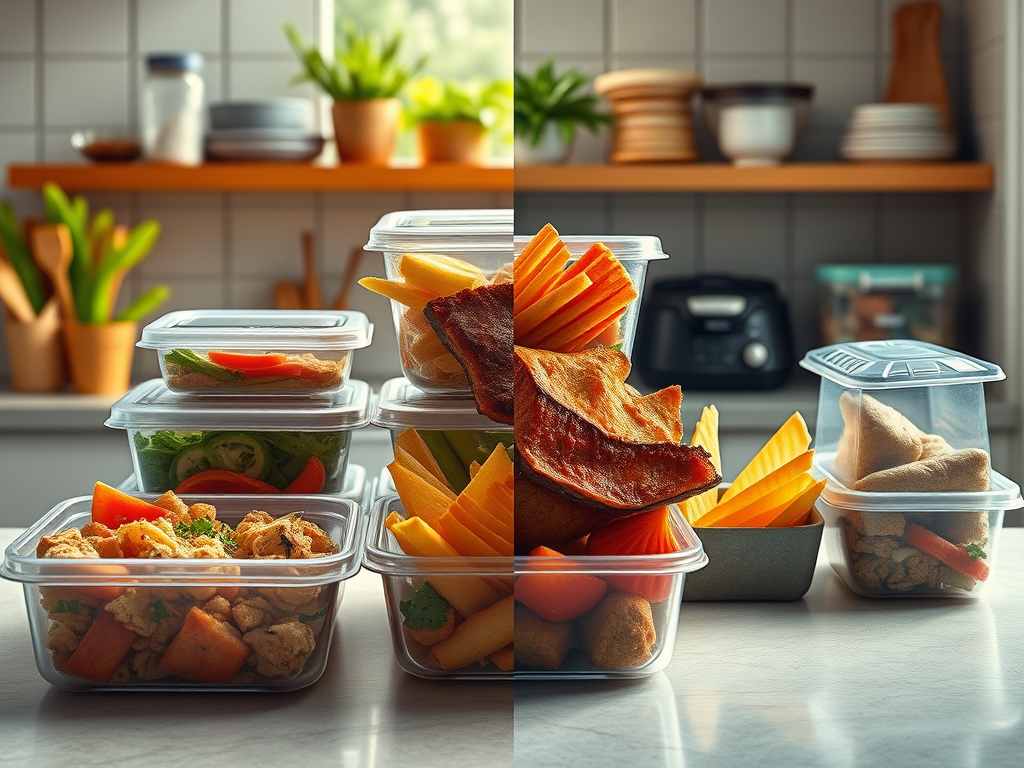
Meal prepping is the holy grail of fitness influencers, dietitians, and busy professionals. It’s sold as the ultimate hack for saving time, eating healthy, and staying on track with nutrition goals. But is this trend actually good for you—or is it setting you up for nutrient loss, food fatigue, and even toxic exposure?
What No One Tells You About Meal Prepping
Sure, planning meals in advance saves time and helps with portion control, but there are some serious downsides that get ignored:
- Nutrient Loss – Cooking food days in advance means vitamins and antioxidants start to degrade by the time you eat it.
- Bacterial Growth – Storing prepped meals for too long can increase the risk of foodborne illnesses—not every food holds up well in the fridge.
- Plastic Contamination – Many people store their meals in cheap plastic containers, which can leach hormone-disrupting chemicals into food, especially when reheating.
- Diet Burnout – Eating the same prepped meals over and over can lead to food fatigue, cravings, and eventual binge eating.
The Meal Prep Industry Is Booming—But at What Cost?
Pre-packaged meal kits and subscription-based meal prep services are raking in billions, but many of these meals are still ultra-processed and loaded with preservatives to extend shelf life. Is meal prepping really about health, or is it just another way for the food industry to sell convenience?
What’s a Better Approach?
Instead of rigid meal prepping, consider: ✔ Batch prepping ingredients (instead of full meals) to keep nutrients intact. ✔ Using glass or stainless steel containers instead of plastic. ✔ Rotating meal options to avoid diet fatigue and nutrient gaps. ✔ Listening to your body’s actual needs instead of forcing a pre-planned menu.


 The Longevity Edit
Leave a comment