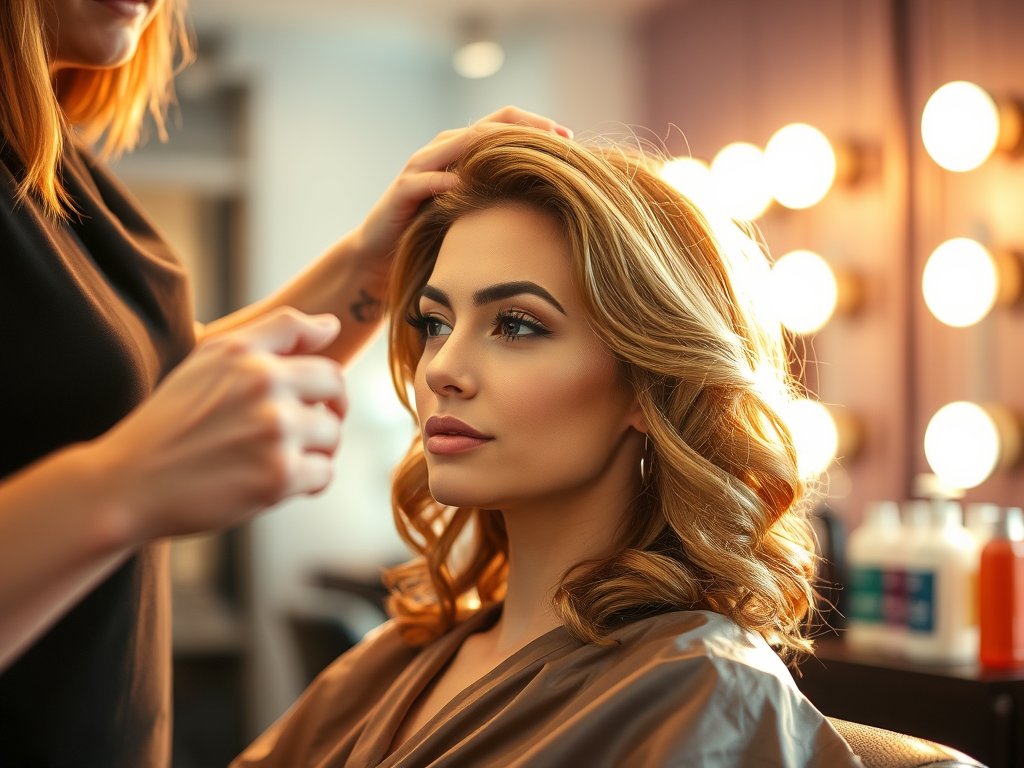
It’s a question that keeps popping up: do perms cause cancer? With growing awareness around ingredients in beauty products, many people are rethinking what they put on—and in—their bodies. And when it comes to chemical hair treatments like perms, the concern is real. But let’s dig into the facts—without the fear-mongering.
First, what’s in a perm?
Perms (short for “permanents”) use a cocktail of chemicals—typically ammonium thioglycolate or sodium hydroxide—to break and reshape the hair’s natural bonds. These chemicals allow your hair to be curled or straightened for weeks at a time. It’s a powerful process, and yes, those chemicals are not gentle.
So where does the cancer concern come from?
Studies have shown that frequent use of chemical hair straighteners and dyes—particularly in Black women—has been associated with a slightly higher risk of certain cancers, including uterine and breast cancer. The NIH’s Sister Study, for instance, found that women who used chemical straighteners every few months had a higher risk of uterine cancer.
But here’s the catch: correlation does not equal causation. These studies don’t prove that perms or straighteners cause cancer—they suggest a possible link, especially with long-term, frequent use.
What you should know:
- Occasional use likely carries minimal risk.
- Risk may increase with frequent, long-term use—especially if products contain formaldehyde or endocrine-disrupting chemicals.
- Not all perms are created equal. Ingredients vary widely, and many newer formulas are less harsh.
- Regulatory oversight on hair product ingredients is still limited—so check labels, research ingredients, and ask questions.
Bottom line:
Are perms dangerous? They can be, especially if used often over many years without awareness of the chemicals involved. But one perm isn’t likely to be a death sentence. Like most things in beauty and health, it’s about balance, frequency, and being informed.
If you’re concerned, talk to your stylist about ingredient transparency—or explore more natural alternatives that don’t require harsh chemical processing.
Your hair should empower you—not harm you.

 The Longevity Edit
Leave a comment